
Preventive Maintenance Programs for Commercial Properties: A Guide for Operations Managers
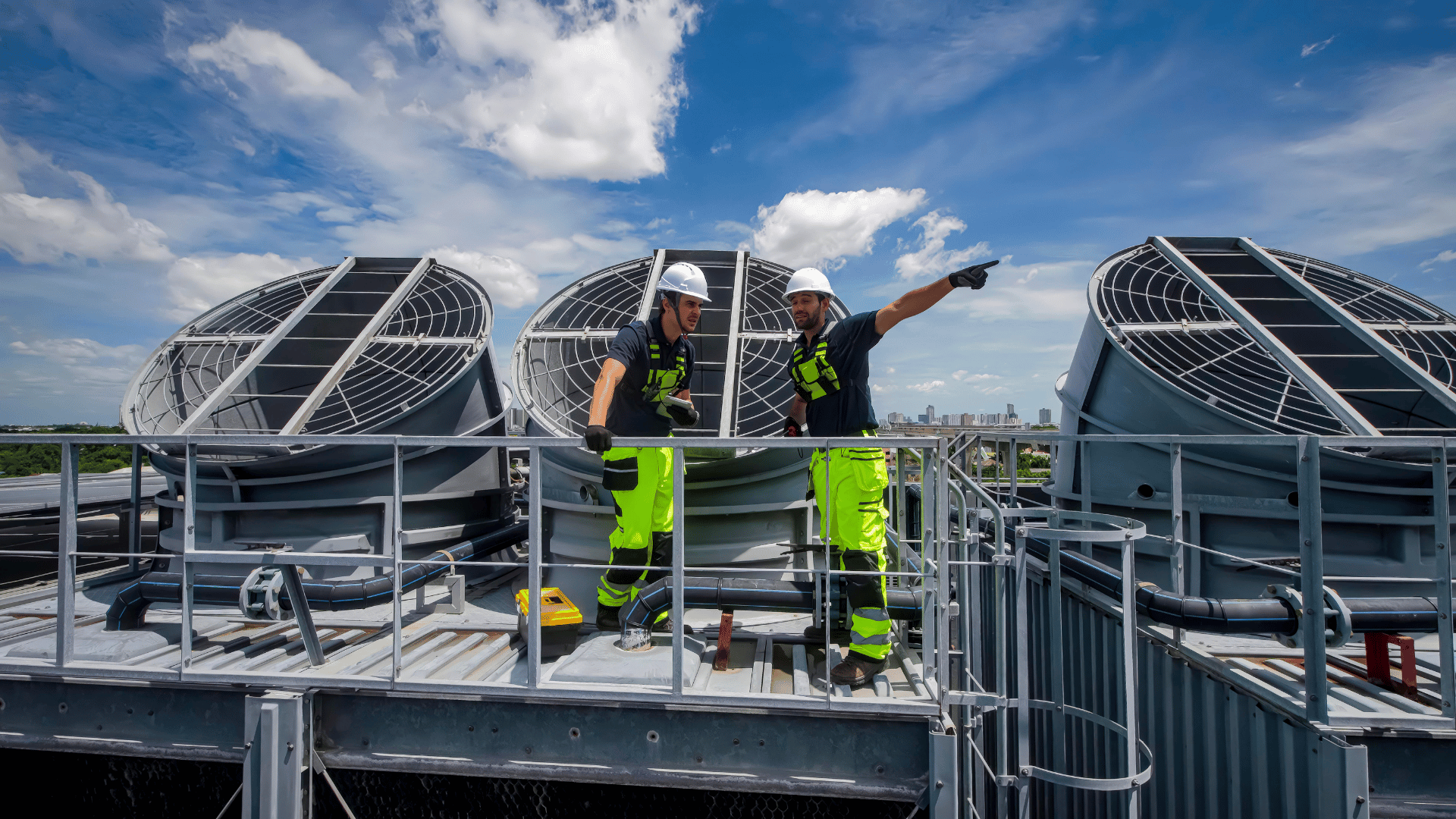
In commercial facility operations, there are two ways to manage maintenance: reactively, fixing things after they break, or proactively, preventing problems before they occur. Most operations managers know instinctively which approach is better. Yet many organizations still operate predominantly in reactive mode — not because they prefer it, but because they haven’t built the systems and contractor relationships that make proactive maintenance practical.
A well-designed preventive maintenance program is one of the highest-return investments a commercial property operator can make. Here’s how to think about it — and how to build one that works.
What Preventive Maintenance Actually Means
Preventive maintenance refers to scheduled, planned work performed on facility systems and components before failure occurs. It’s based on the principle that regular, low-cost interventions extend the life of assets, reduce the frequency and severity of failures, and ultimately cost less than emergency repairs and premature replacement.
The contrast is reactive maintenance — also called breakdown maintenance or corrective maintenance — where work is only performed after something fails. Reactive maintenance is more expensive per incident, more disruptive to operations, and typically harder to budget for because failures are unpredictable.
The Financial Case for Prevention
The financial argument for preventive maintenance is well-documented across industries. Studies in facility management consistently show that reactive maintenance costs three to four times more per incident than equivalent preventive work. Factor in the operational disruption, customer experience impact, and potential emergency premium pricing, and the gap widens further.
For retail and commercial properties specifically, consider what an unexpected HVAC failure on a hot summer day costs: emergency repair or rental, lost sales during closure or reduced hours, customer experience impact, and staff overtime. A scheduled HVAC inspection and filter replacement program costs a fraction of that — and prevents the failure from occurring.
Key Components of a Commercial Preventive Maintenance Program
A functional preventive maintenance program has several core components:
- Asset inventory: A complete list of facility systems and components subject to maintenance, including age, condition, and service history
- Maintenance schedules: Defined frequencies for each maintenance task, based on manufacturer recommendations, usage patterns, and environmental factors
- Service documentation: Records of every maintenance visit, including what was done, what was found, and any recommendations for additional work
- Condition monitoring: Regular assessment of asset condition to identify deterioration before it becomes failure
- Contractor accountability: Clear service standards and follow-up processes for every scheduled maintenance task
Facility Areas Most Impacted by Preventive Maintenance
For retail and commercial environments, the facility areas where preventive maintenance delivers the clearest return include:
- Flooring systems: Regular professional cleaning, scrubbing, and refinishing prevents premature floor degradation and extends replacement cycles significantly
- Exterior surfaces: Scheduled exterior maintenance prevents minor issues — sealant deterioration, surface staining, drainage problems — from becoming major repairs
- Building envelope: Routine inspection of windows, doors, and entry points prevents weather damage and maintains climate control efficiency
- Common areas and restrooms: Consistent maintenance of high-traffic, high-use areas prevents the accelerated wear that leads to expensive remediation
Building Prevention into Your Contractor Relationships
One of the most practical ways to implement preventive maintenance is to build it into your facility services contracts. Rather than calling a contractor when something needs attention, structure your service agreements around scheduled preventive visits with defined scopes.
This is how Stasia Group approaches facility services for our commercial clients. We don’t just respond to service requests — we build service programs that include scheduled preventive maintenance as a core component. Our clients benefit from predictable scheduling, consistent quality, and the documented service history that makes facility management genuinely proactive.
Getting Started
Building a preventive maintenance program doesn’t require a massive system implementation. Start with your most critical and highest-cost facility systems. Document what you have, what condition it’s in, and what maintenance it requires. Then build contractor relationships around scheduled service — and hold those contractors accountable for the outcomes.
The shift from reactive to preventive facility management is one of the highest-leverage operational improvements available to commercial property operators. The organizations that make it consistently spend less, operate more reliably, and present better to their customers.
Final Thoughts
Preventive maintenance isn’t a cost center — it’s a cost management strategy. Build it into your facility operations and you’ll spend less, manage less, and get better outcomes. The right contractor partner makes this transition straightforward.
Ready to simplify your facility operations? Request a custom proposal from Stasia Group at (708) 729-8020 or stasiagroup.com/contact-us